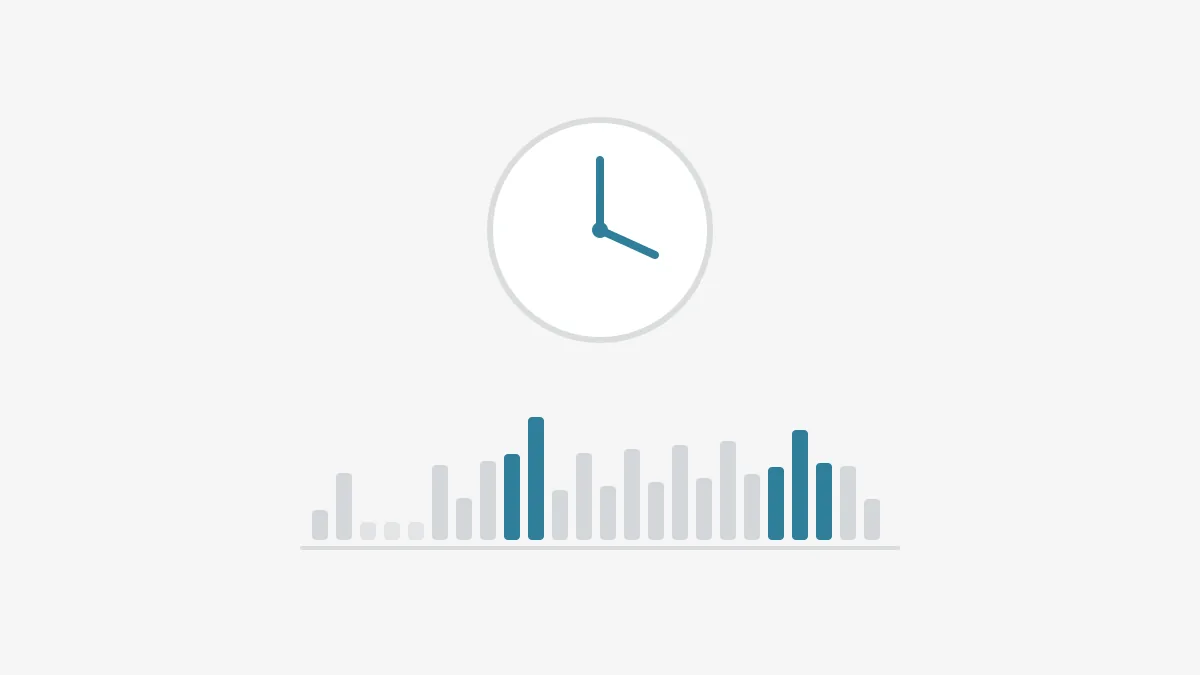
The right bid changes every hour on quick commerce because demand does: Swiggy says most Instamart carts are filled between 7 AM and 11 AM and again from 4 PM to 7 PM, and the peak moves by category. Dayparting means putting your daily budget into the hours that convert and pulling it from the hours that don’t, then judging each change on D+3 attribution rather than same-day numbers.
What is dayparting in quick commerce ads?
Dayparting is setting different bids or budgets for different times of day. Quick commerce suits it unusually well, because a shopper orders for delivery in minutes, so the hour they search is close to the hour they need the product.
Platforms are building for it. Blinkit’s self-serve ad platform, Brand Central, lists “time-of-day targeting” to reach shoppers “during peak consumption hours”, and lets brands combine geography, shopper cohorts and time of day in one campaign. Peak-hour formats are common across the category too: Mint lists “in-app prompts during peak hours” among the most common quick commerce ad formats.
Check what your own ad console offers on each platform. Controls differ, and the same plan rarely transfers from one platform to another unchanged.
Why does the right bid change every hour?
Because the shopper in front of the ad changes. Swiggy’s look back at 2025 on Instamart, based on orders across more than 128 cities, found that “Most carts are filled between 7 AM – 11 AM and again from 4 PM – 7 PM”.
Categories keep their own clocks. In the same review, bodycare gift sets peaked at 12:05 PM while grooming gifts peaked around 7:36 PM, and masala-flavoured chips were the top late-night order in nine of the top ten cities. A snack brand and a personal care brand bidding on the same platform should not run the same schedule.
The calendar matters as well. Swiggy told investors in 2024 that it sees “higher order volumes and increase in advertising during festivals or holiday seasons”, and during occasions such as sporting events and concerts. Our seasonal surge playbook covers planning for those weeks.
So a keyword is worth more in the hours when the people searching it are about to order, and less when they are browsing. A flat bid overpays in the slow hours and underbids in the busy ones.
Where does a daily budget go wrong?
Most quick commerce campaigns run on a daily cap. On Blinkit, brands set a daily budget and bids. The cap says how much to spend, not when, and two problems hide inside it:
- Dead hours. Spend goes out in hours that bring clicks but few orders.
- Starved hours. The cap runs out before the hours that convert best, so the campaign is dark at peak.
Both can happen in the same campaign on the same day. Our Blinkit page describes exactly that: one time slot underfunded despite a strong ROAS while another returned nothing, all inside the same daily cap. A good daily ROAS can hide both, because the average blends the strong hours with the empty ones.
How do you find the hours that convert?
Start with what your reports can show. Check whether your platform reports show spend by hour, and note the time each campaign’s daily budget runs out. Then build a simple hour-by-hour view for each campaign:
| Hour | Spend | Clicks | Orders | Budget left? |
|---|---|---|---|---|
| 7 AM | ||||
| 8 AM | ||||
| … |
Fill it for at least two weeks, by city if you can, because demand differs from one micromarket to the next. Then sort the hours into three groups:
- Peak hours. Orders are strong and budget is still left. These can take a higher bid.
- Starved hours. Orders are strong when the campaign runs, but the budget is often gone by then. These need budget moved into them.
- Dead hours. Spend and clicks with few orders. These give their budget to the other two.
Judge each change on settled numbers. Orders keep being credited to a day’s ads after the day ends, so a read on D+1 undercounts sales and ROAS; reading at D+3 avoids pulling a winning hour before its orders have been credited.
How should bids change by hour?
Start from rank, not from the bid. Find the lowest bid that holds your position on each keyword, and raise it only in the hours that convert or when rank slips. Our homepage shows the idea in one line from the bid agent: “Bid −18% · rank held”. The goal is the same position at a lower price, outside the hours where a higher position pays for itself.
Then shape the day:
- In peak hours, bid to hold or win the top positions on the keywords that convert.
- In starved hours, move budget in first, then check whether the bid is still enough to hold rank.
- In dead hours, lower bids or pull the campaign, depending on what your platform’s controls allow.
Rank and price interact with the hour. Our guide to quick commerce ad ranking covers how position is won, and our ROAS guide covers reading return by campaign.
Change one thing at a time and keep a log. If you move budget and change bids in the same week, you won’t know which one moved the result.
How does ShelfRadar run dayparting?
ShelfRadar’s agents run bid-budget experiments on your campaigns and turn the results into an optimization plan. Optimum Hour Finder finds which hours perform best for budget consumption and conversion, so spend shifts to the hours that sell. Together with the bid tests, it runs our hourly ROAS playbook: find wasted spend inside the daily cap, bid up the winning hours and pull the dead ones.
ShelfRadar reads D+3 attribution before judging a change, and a person on our team approves every change.
Frequently asked questions
What is dayparting in quick commerce?
Dayparting means setting different bids or budgets for different hours of the day, so your daily budget goes to the hours that convert. Blinkit’s Brand Central lists time-of-day targeting among its options for reaching shoppers during peak consumption hours.
When do people order most on quick commerce?
Swiggy’s review of Instamart orders in 2025 found most carts were filled between 7 AM and 11 AM and again from 4 PM to 7 PM. Peaks differ by category: bodycare gift sets peaked around midday and grooming gifts in the evening.
Does Blinkit allow time-of-day targeting?
Yes. Blinkit’s Brand Central lists time-of-day targeting, and says brands can combine it with geography and shopper cohorts. Campaigns there run on a daily budget and bids.
Why judge dayparting changes on D+3 data?
Orders keep being credited to a day’s ads after the day ends, so D+1 data undercounts attributed sales and ROAS. Reading results at D+3 avoids cutting an hour that was working but had not yet been credited.